How to read a reference number
Five or six characters that tell you the case, the bezel, the bracelet and the year — once you know where the seams are.
The Dials desk · 2 min read
A reference number is not a name. It is a parts list, compressed. Most makers encode the case size first, then the material of the case and bezel, then the bracelet, and somewhere in there a digit that has quietly meant four different things across three decades.
The trouble is that no two houses agree on the grammar. A Rolex reference and a Seiko reference both look like a short string of digits and letters, and they are built on entirely different logic. Learning one teaches you almost nothing about the other — except the habit of looking for the seams.
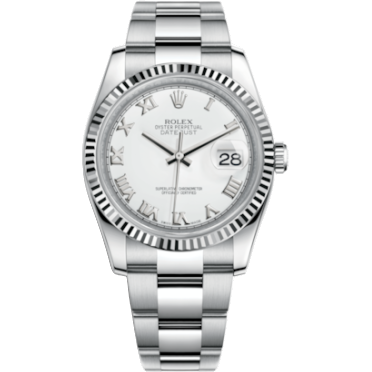
Where the seams usually are
Most systems separate into three or four runs of characters, and each run answers one question:
- The case — its size, and often its generation.
- The materials — steel, gold, two-tone, and what the bezel is made of.
- The bracelet or strap — frequently the last group, and the part most often swapped.
- The dial — sometimes encoded, more often left to a suffix or a nickname.
Once you can split a reference into those runs, two watches that looked identical in a listing turn out to be a generation apart.
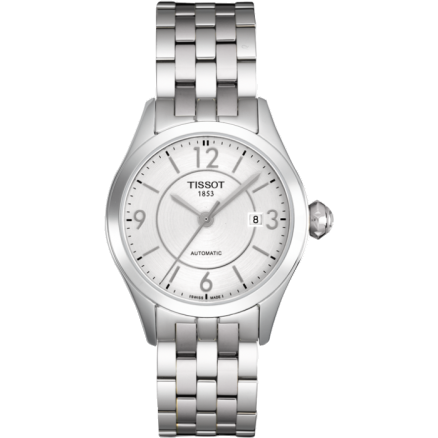
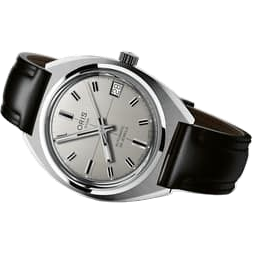
Why we store them whole
We keep the reference exactly as the maker prints it, and keep any alternate references a watch is also sold under in a separate field. Normalising them into one "clean" string would be tidier and would quietly merge watches that are not the same watch.
That habit — reading references as structured data rather than as labels — is the point. The catalogue stops being a wall of near-identical watches and starts being a family tree.