Six movements worth knowing by name
The calibres that turn up under a hundred different dials, and what to listen for in each.
The Dials desk · 2 min read
Most of the watches in this catalogue run on a movement someone else designed. That is not a criticism — a well-sorted workhorse calibre, made by the hundred thousand and serviceable in any city, is a better proposition than a fragile in-house exclusive.
Learn six of them and you can place a large share of the mechanical market by sound, by the sweep of the seconds hand, and by the shape of the date window.
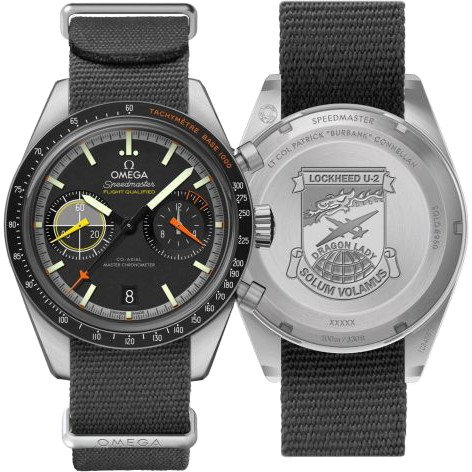
What to look at first
- Beat rate. How many steps the seconds hand takes each second, and the single most visible difference between two otherwise identical watches.
- Power reserve. What the watch will do after a weekend in a drawer.
- The date. Whether it snaps over at midnight or drifts across half an hour either side.
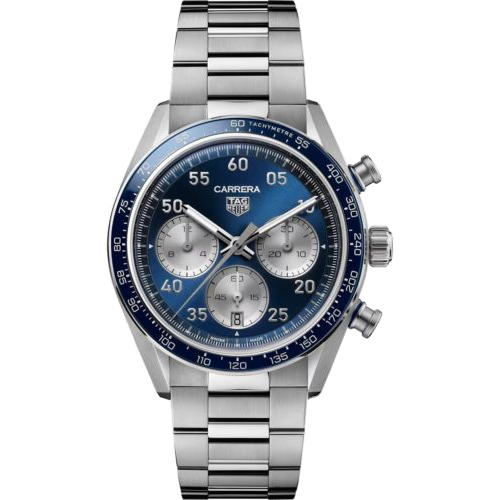
Why it matters for a catalogue
Calibres are the one part of a specification that is shared across brands, which makes them the natural join between watches that otherwise have nothing in common. Two watches with the same movement will keep time the same way, want servicing on the same schedule, and — often — cost very different money.